Catapult Alumni Nonfiction
The “New Normal”: How COVID-19 Is Shaping Australian Culture and Economy
The COVID-19 pandemic is often compared to the 1918 Spanish Flu. This historical event is also called the “forgotten” pandemic, as an entire generation of brilliant, influential writes like F. Scott Fitzgerald and Ernest Hemingway have hardly mentioned it in their work, while covering important political and economic events of the time. Now, many worry […]
The COVID-19 pandemic is often compared to the 1918 Spanish Flu. This historical event is also called the “forgotten” pandemic, as an entire generation of brilliant, influential writes like F. Scott Fitzgerald and Ernest Hemingway have hardly mentioned it in their work, while covering important political and economic events of the time. Now, many worry that the effects of coronavirus will dissipate as well. However, that might not be the case, as most cultural and economic changes that are expected to become the “new normal” in a post-pandemic are the direct result of COVID-19.
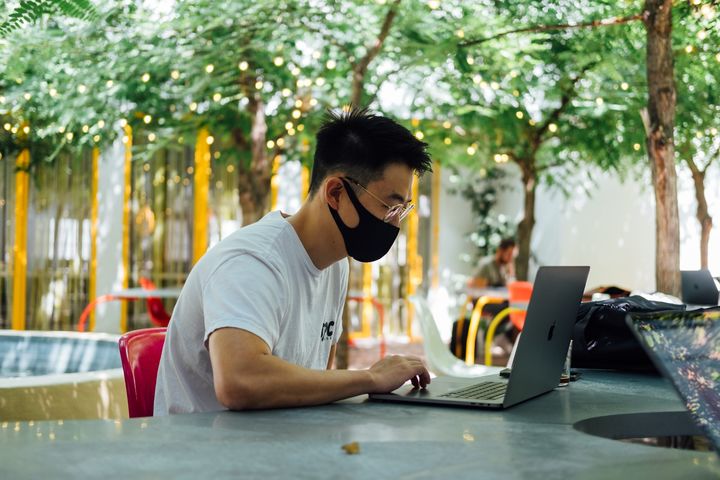
A new form of working For many, the coronavirus outbreak meant a sudden shift to remote working, while for others COVID transformed jobs entirely. In either case, it seems like the future of work will be redefined in a number of unexpected ways in a post-pandemic world.
As an increasing number of companies are realising that working from home is effective, even improving productivity and overall results in many cases, employees will likely spend less time in the office in the future, both due to remote working opportunities and in an effort to focus on mental health, a priority that has become evident during the pandemic. With more working options now available, office spaces might become smaller as well, and inefficient trends such as hot-desking will likely disappear.
Noticeable lifestyle shifts The way we live has changed as well. From protective masks to temperature checks, aspects that were unimaginable until quite recently have suddenly become a normal part of everyday lives. With different venues, buildings, and institutions closing completely during the pandemic, our needs seemingly changed too.
Even as Australia reopens in the future, some COVID-19 habits will remain. Waiting lines will be outdoors instead of indoors, more cafes and restaurants might opt for table service, large sporting and concert events won’t be such a priority anymore, and many will continue wearing masks at first symptoms of disease, thus entirely shifting our cultural behaviours as we know them.
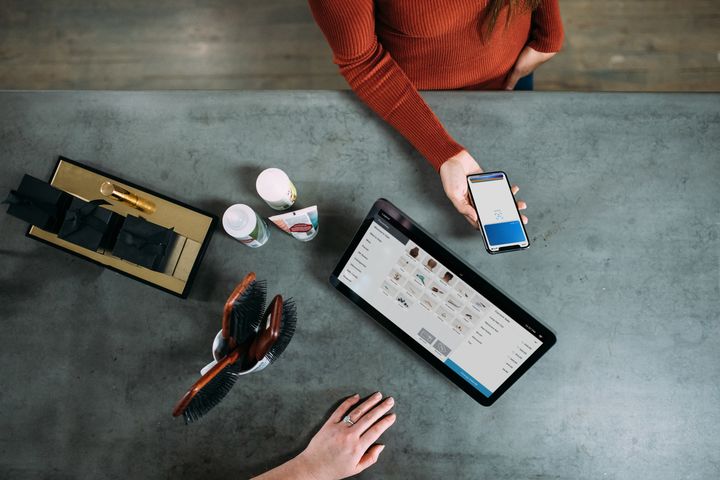
Changes in consumer behaviour While capitalism will likely continue to flourish in the future, many of the basic rules were suddenly changed amidst the COVID-19 outbreak. Government intervention reached a large scale, and survival was prioritised over budget surpluses. In turn, we have realised that financial benefits alone simply aren’t enough for a good relationship.
According to reputable economic news sources, more open and transparent companies that deliver real value are currently doing better, as consumers are closely examining their behaviour. Now, customers are focused on how businesses responded to the coronavirus crisis, what sort of products and services to they offer, as well as their businesses practices, in order to build relationships only with trusted, dependable, and socially responsible companies.
The importance of the outdoors With border closures and lockdowns being imposed across Australia, traditional forms of travel weren’t a viable option during the pandemic. As a result, many travellers turned to the outdoors , deciding to explore the beauty of their own neighbourhoods. But instead of choosing adventure sports that commonly require some form of travel, such as backpacking, climbing, and skiing, individuals opted for activities that can be performed closer to home, like bike riding, bird-watching, and gardening.
Similarly, local travel became a priority, from nearby beaches and hikes in mountainous regions to parks, rivers, and lakes in neighbouring areas. This new focus on the outdoors and the benefits of local travel encouraged many to appreciate the natural beauty their own backyards might be hiding, making it the most popular form of travel that will likely prevail even in a post-pandemic world.
Empathy above all else The behaviour of companies during the height of the pandemic won’t be the only important aspect for many people across the globe, including Australia. It seems like a new form of leadership is starting to emerge, one that appeals to the majority of the population. From New Zealand’s Jacinda Ardern to Germany’s Angela Merkel, leaders who have shown empathy and decisiveness were praised much more than their ego-driven counterparts.
In times of crisis, people need compassion and support as much as they require appropriate governance and guidance. What’s more, this gentler form of leadership has also proved to be quite effective during the coronavirus pandemic, making empathy one of the main aspects citizens will require from their future governments as well.
Clearly, the effects of the COVID-19 pandemic won’t be forgotten easily. As all predictions for the future in a post-coronavirus world heavily rely on the new behaviours we acquired during the pandemic, the social and economic impact of this unprecedented event is evident.